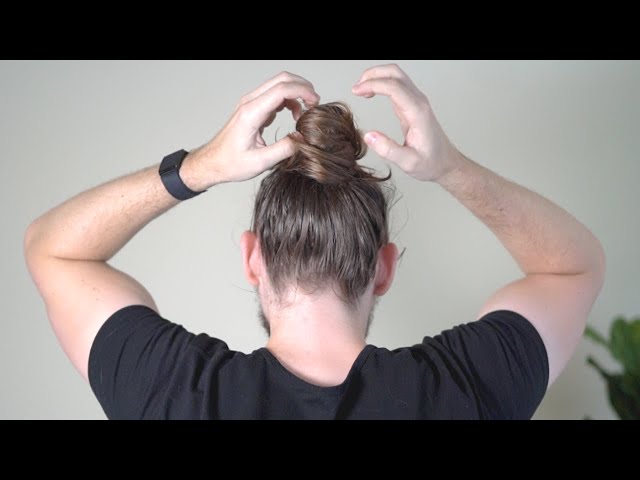
Tying hair into a bun is the process of gathering and securing the hair on top of the head, typically into a circular or coiled shape.
Bun hairstyles have been a go-to for centuries, offering both functionality and style. They are easy to create and hold hair securely, making them popular for athletes, dancers, and anyone looking for a neat and tidy look.
In this article, we'll explore the techniques for tying various types of buns, including the classic ballerina bun, the messy bun, and the top knot.
How to Tie Hair in a Bun
Tying hair in a bun is a versatile and practical hairstyle. Whether for a sophisticated look or a casual day out, mastering this technique offers several benefits, including:
- Convenience
- Versatility
- Hair health
Convenience lies in the ease and speed of creating a bun. Versatility stems from the numerous variations possible, from sleek and polished to messy and bohemian. Additionally, buns can protect hair from damage, reducing tangles and breakage.
Convenience
Tying hair in a bun offers significant convenience in various aspects:
-
Time-saving
Buns are quick and easy to create, making them ideal for busy individuals. -
Effortless
With minimal effort, hair can be gathered and secured into a bun, requiring no complex braiding or styling techniques. -
Versatile
Buns can be adapted to suit different occasions, from formal events to casual outings, by varying the tightness, placement, and accessories used. -
Manageable
Tying hair in a bun keeps it out of the way, preventing tangles and reducing the need for frequent brushing or styling.
Overall, the convenience of buns lies in their ability to save time, minimize effort, adapt to various situations, and maintain hair manageability.
Versatility
The versatility of buns as a hairstyle lies in their adaptability to suit a wide range of occasions, hair types, and personal styles. Whether for a formal event or a casual day out, there's a bun variation that can complement any outfit and enhance one's overall look.
-
Formal Buns
Sleek and polished buns, such as the classic ballerina bun or the chignon, are perfect for formal occasions like weddings and galas. They exude elegance and sophistication. -
Casual Buns
Messy buns, top knots, and half-buns are popular casual bun variations. They are effortless to create and add a touch of bohemian chic to any outfit. -
Versatile for All Hair Types
Buns can be adapted to suit different hair types. Tight buns can hold thick or curly hair securely, while looser buns are ideal for fine or straight hair. -
Accessorizing Options
Buns can be further personalized with accessories like hairpins, ribbons, or scarves. These embellishments add a touch of glamour or whimsy, depending on one's style.
In summary, the versatility of buns stems from their adaptability to various occasions, hair types, and personal preferences. From elegant formal buns to effortless casual buns, there's a bun variation to suit every need and desire.
Hair health
In the context of "how to tie hair in a bun", hair health plays a crucial role in maintaining the overall integrity and appearance of the hair. By understanding the components of hair health and adopting proper hair care practices while tying buns, individuals can protect their hair from damage and promote its growth and vitality.
-
Strength
Healthy hair exhibits strength and resilience, reducing breakage and split ends. Tying buns too tightly or using excessive heat can weaken hair, making it more susceptible to damage. Gentle techniques and avoiding over-styling can help preserve hair strength. -
Moisture
Maintaining adequate moisture levels is essential for healthy hair. Buns can help protect hair from environmental factors that contribute to dryness, such as wind and sun exposure. Additionally, using moisturizing hair products and avoiding harsh shampoos can help keep hair hydrated. -
Shine
Healthy hair often has a natural shine and luster. Tying buns can help distribute natural oils along the hair shaft, enhancing its shine. Additionally, using hair products that add shine can further amplify hair's brilliance. -
Scalp health
A healthy scalp is essential for healthy hair growth. Tying buns too tightly or for extended periods can put stress on the scalp, leading to irritation and inflammation. Allowing the scalp to breathe and maintaining a clean and healthy scalp environment can promote optimal hair growth.
By considering hair health when tying buns, individuals can minimize damage, enhance hair's natural beauty, and promote long-term hair growth and vitality.
Frequently Asked Questions
This section addresses common questions and provides additional clarity on the art of tying hair in a bun.
Question 1: What are the essential tools for creating a bun?
A hairbrush, hair tie, and bobby pins are the basic tools required for most buns. Depending on the desired style, additional accessories like hairspray or a bun maker may be used.
Question 2: How do I choose the right bun style for my face shape?
Consider your face shape when selecting a bun style. Round faces suit high buns that add height, while oval faces can opt for buns at any height. Square faces look good with buns that soften the angles, such as messy buns or buns with fringes.
Question 3: How can I prevent my bun from falling out?
Ensure your hair is securely tied before forming the bun. Use bobby pins to anchor the bun in place, and consider using hairspray for added hold, especially for fine or slippery hair.
Question 4: How do I create a voluminous bun?
To create volume, tease the hair at the crown before tying it into a bun. Backcomb the hair gently to add height and fullness, then secure the bun as usual.
Question 5: How can I add embellishments to my bun?
Accessorize your bun with ribbons, hairpins, or scarves to elevate its style. Wrap a ribbon around the base of the bun for a classic touch, or use decorative hairpins to add a touch of sparkle.
Question 6: What are some tips for maintaining a bun throughout the day?
To keep your bun looking fresh, avoid touching or adjusting it excessively. If needed, use a small amount of hairspray to tame flyaways and maintain the bun's shape.
These FAQs provide a comprehensive understanding of how to tie hair in a bun, addressing common concerns and offering practical tips. Now that you have a solid foundation, let's delve deeper into the techniques and variations of this versatile hairstyle.
(Transition to the next section on bun techniques and variations)
Tips for Tying Hair in a Bun
This section provides practical tips to help you master the art of bun-making. By following these guidelines, you can achieve a polished and secure bun that complements your style.
Tip 1: Brush your hair thoroughly
Detangling your hair before tying it into a bun helps prevent breakage and ensures an even distribution of hair products.
Tip 2: Use the right hair tie
Choose a hair tie that matches your hair color or opt for a clear or black elastic band for a more discreet look. Avoid using hair ties with metal clasps, as they can damage hair.
Tip 3: Secure the base
Before forming the bun, wrap the hair tie around the base of your ponytail several times to create a strong foundation. This prevents the bun from slipping out.
Tip 4: Create a doughnut bun
For added volume, use a doughnut bun maker or create your own by rolling up a sock. Position the doughnut over your ponytail and wrap your hair around it, tucking in the ends for a smooth finish.
Tip 5: Use bobby pins strategically
Bobby pins are essential for keeping your bun in place. Insert them horizontally into the base of the bun, crisscrossing them for maximum hold.
Tip 6: Set with hairspray
Once your bun is complete, lightly mist it with hairspray to tame flyaways and keep it looking fresh throughout the day.
Summary: By following these tips, you can create a bun that is secure, stylish, and long-lasting. Remember to use the right tools, secure the base, and add finishing touches for a polished look.
These tips lay the foundation for exploring different bun variations and achieving the perfect bun for any occasion. The next section will delve into the techniques and variations of this versatile hairstyle.
Conclusion
Throughout this article, we have explored the art of tying hair into a bun, covering its versatility, benefits, and techniques. We have learned that buns offer both convenience and style, protecting hair from damage and adapting to various occasions and personal preferences.
Key points to remember include:
- Mastering different bun techniques allows for endless styling possibilities.
- Proper hair care practices while tying buns, such as using the right tools and avoiding excessive tightness, contribute to overall hair health.
- Experimenting with different bun variations and accessorizing options enables self-expression and complements any outfit.
The beauty of buns lies in their simplicity and adaptability. Whether you're looking for a quick and easy everyday hairstyle or a sophisticated updo for a special occasion, there's a bun variation to suit your needs. Embrace the versatility of buns and enjoy the endless possibilities they offer for self-expression and hair care.


No comments:
Post a Comment